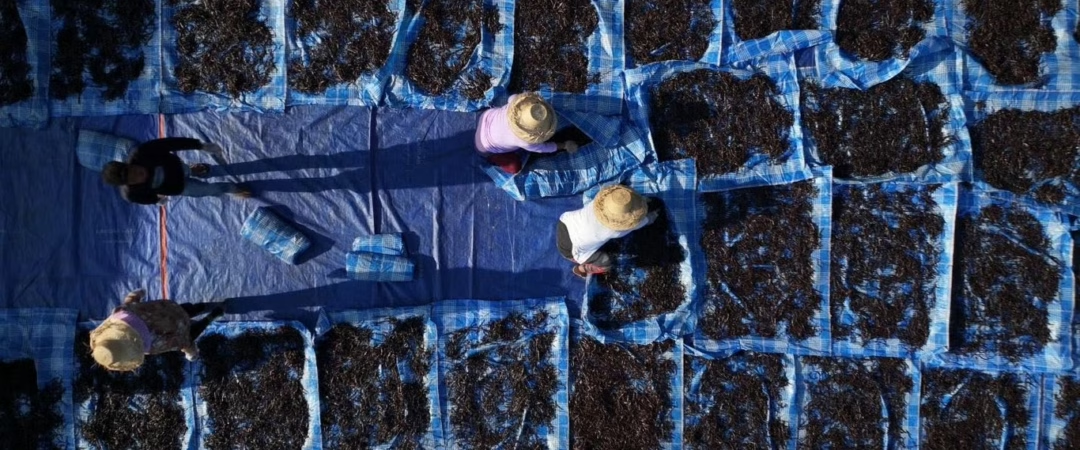
Meet Thomas Stassen, Head of Sales at Origine
From natural ingredients to supply chain control, Origine places traceability, quality, and continuous improvement at the heart of its operations.

We met with Thomas Stassen, Head of Sales, to learn more about his company, understand the importance of certifications in its development, and hear about his experience working with Certisys.
Can you introduce yourself and tell us a little about Origine?
I am Thomas Stassen, and I have been Head of Sales at Origine since 2022. The company was officially established in Europe in 2024.
Origine is the European subsidiary of the Indonesian company Tripper, which has specialized in the sourcing and processing of natural ingredients for more than 34 years.
What sets us apart is our close relationship with producers, supported by a supply chain developed by my brother, Daniel, that brings together more than 8,000 farmers.
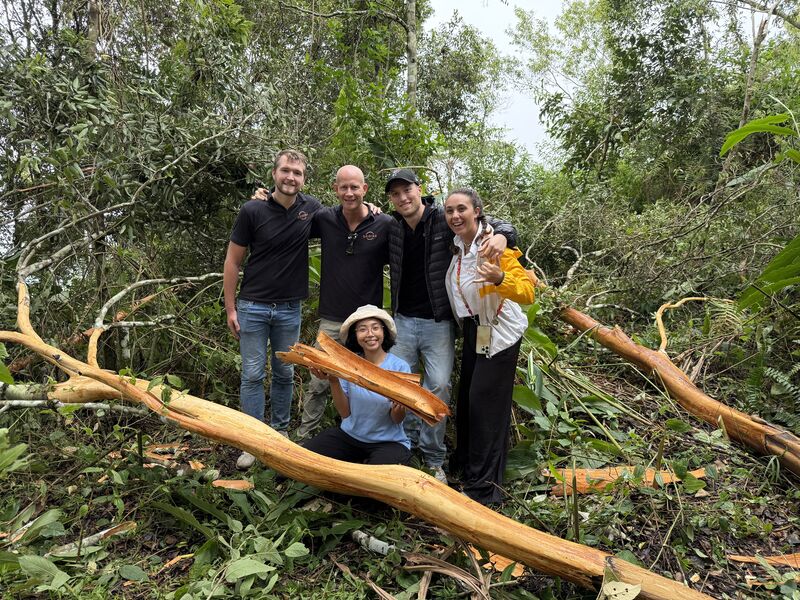
We place great importance on the vertical integration of our supply chain and strive to maintain control over every stage of the process, from raw materials to through to final processing. We operate four main processing methods: milling, extraction, spray drying, and distillation.
Through these capabilities, we market a range of natural ingredients for the food and beverage industry across the European market. The group is also present in the United States and Asia.
Why did you choose recognized certifications (e.g. organic, Naturland, Fair Trade, etc.)? What benefits do they bring to your company?
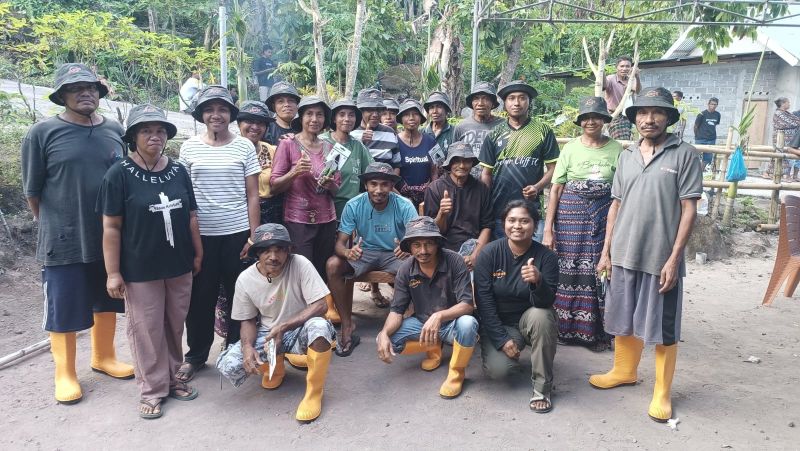
For us, certification is not simply a logo placed on a product. It provides tangible guarantees regarding the origin, production methods, and traceability.
Certifications also help us meet the requirements of our customers and certain markets. From a commercial perspective, they can be a real driver of growth: some projects simply cannot move forward without the required certification.
They are therefore both a commitment and a guarantee for our customers, as well as a tool that supports our growth and continuous improvement.
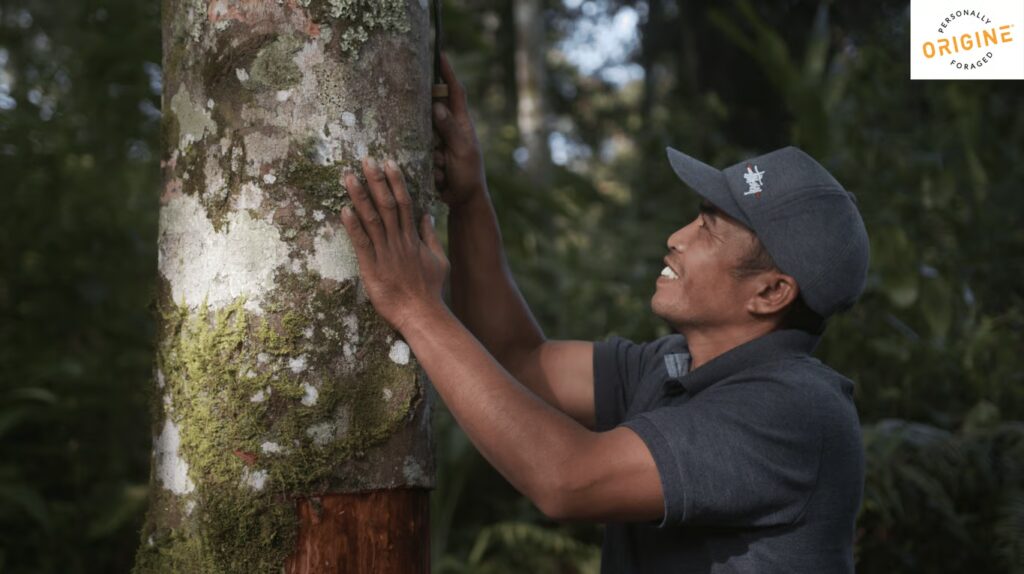
We are also working on regenerative agriculture, with the goal of producing while helping to preserve and regenerate soils and ecosystems. Take cinnamon as an example: since it is harvested from the bark of a tree, our approach includes replanting efforts to help renew the resource and ensure its long-term sustainability.
We are constantly striving to gain greater control over our supply chain, with a strong focus on quality, health, and agricultural practices.
How would you describe your relationship with Certisys, and more specifically with your auditor?
When I established Origine’s European operations in 2024, the spice industry was still relatively new to me. As a result, I had many questions, and I particularly appreciated the support provided by the Certisys team from our very first interactions.
I found their approach to be very human and personable, almost family-like. My contacts took the time to answer my questions, guide me through the process, and closely follow the development of our business. I genuinely felt a willingness to help us, beyond simply carrying out an audit.
What I value most is this sense of closeness, responsiveness, and the opportunity to have meaningful conversations.
Our approach is built on a strong commitment to controlling and understanding our supply chain. Working with a certification body that understands this reality and speaks the same language makes communication easier and supports our day-to-day operations.
‘For me, our relationship with Certisys can be summed up in three words: proximity, responsiveness and expertise.’
How do traceability and continuous improvement concretely translate into your day-to-day operations?
Traceability is essential, particularly in the organic sector. We have developed our own application to track ingredients from the producer all the way to the customer.
Each producer is assigned a badge with a QR code, and each spice batch is also identified with its own QR code. When a producer delivers a harvest to us, we scan the corresponding codes. This allows us to link every batch to an individual producer or a group of producers and quickly trace its origin in the event of an issue.
We have also brought certain processes in-house, such as drying. Traditionally, drying may take place directly at the producers’ facilities, under conditions that can be difficult to control. By carrying out this step in our own facilities, we can better manage the drying conditions and ensure the microbiological quality of our products.
These measures were not implemented overnight. We are continuously working to improve control over our supply chain. Our goal is to strengthen oversight at every stage, enhance product quality, and ensure reliable traceability.
Beyond certification: a long-term commitment
Origine’s experience shows that certification is part of a broader approach aimed at meeting market requirements, ensuring product traceability, and continuously improving business practices.
This journey also relies on the quality of the relationship with the certification body. An understanding of operational realities, availability, and expertise are all key factors in supporting companies over the long term.
Thomas Stassen’s testimony highlights the importance of combining certification requirements with a practical approach tailored to the specific realities of each business.
Many thanks to Thomas Stassen for sharing his experience and insights on traceability, certifications, and continuous improvement.
Congratulations to ORIGINE SRL, which has won the SIAL For Change 2026 SME Grand Prix in recognition of its exceptional commitment to spice-producing communities in Indonesia.